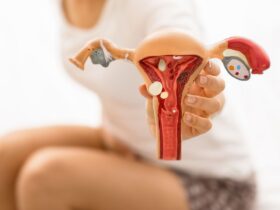
Endometriosis affects women of reproductive age (15 to 44 years, according to the WHO) and ranks third among the most common gynecological disorders. It is characterized by the presence of endometrial tissue outside the uterus. The most frequent locations where it develops are: Pelvic area Ovaries Fallopian tubes Each case is different: there are women with advanced endometriosis who have no symptoms and others with mild forms who suffer intense pain. What is endometriosis and how does it affect fertility? It is estimated that 10–15% of women of childbearing age have endometriosis and, of those, 30–40% may experience difficulty conceiving. Ectopic endometrial tissue forms adhesions that distort pelvic anatomy, impair tube function, and reduce ovarian reserve. More information in our Simple Guide to Endometriosis and Fertility. When does it appear and progress? It is a disease of reproductive age, regulated by hormones. It can begin at menarche and progress gradually, often remaining undiagnosed until adulthood. Which risk factors increase my likelihood? First-degree relative with endometriosis Very heavy menstruation (more than 80 mL per cycle) Short cycles (less than 21 days) Early menarche (before age 10) What symptoms should I watch for? The main symptom is progressive, disabling dysmenorrhea, which sometimes begins days before the period and worsens with heavy flow. Other possible symptoms: Pelvic or lower back pain Dyspareunia (pain during intercourse) Dychezia (pain during bowel movements) Rarely, dysuria (pain during urination) How is it diagnosed? The specialist begins with medical history and pelvic exam, looking for uterine retroversion, reduced mobility, and pain when moving the cervix. Definitive confirmation requires laparoscopy and histological analysis in a certified laboratory. What causes endometriosis? There is no single proven cause. The main theories are retrograde menstruation, where menstrual blood flows back through the tubes into the pelvic cavity, and genetic predisposition. Treatment options Most specialists recommend removing lesions via laparoscopy and then using hormonal suppression (combined contraceptives or progestogens) to atrophy the ectopic tissue. There is no permanent cure and symptoms may reappear with each cycle. Do not self-medicate: before starting any treatment, consult a reproductive medicine specialist, especially if your goal is to achieve pregnancy. How does it influence conception? Adhesions can block the tubes and deform pelvic anatomy, while endometriomas reduce ovarian reserve and quality. Early evaluation and a personalized plan increase your chances of success. Discover more at Amenorrhea: What It Is and How It Affects Fertility. Can I have a baby with endometriosis? Yes. With proper assessment, the specialist will guide you with a medical, surgical, or assisted reproduction plan tailored to you. At INGENES, over 80 fertility experts support your journey with empathy. Share your case here and take the first step. Frequently Asked Questions 1. How long should I wait after treatment before trying to conceive? After laparoscopy, it is usually recommended to wait 1 to 3 cycles to allow healing and hormone stabilization. This helps monitor progress and uterine recovery. The exact timing depends on severity, ovarian reserve, and other factors. Always follow your specialist’s plan. 2. Does hormonal therapy affect long-term fertility? Hormonal suppression temporarily stops symptoms without reducing ovarian reserve. Ovulation returns to normal after treatment ends. Talk to your doctor about the duration and type of hormones. GnRH analogs or combined contraceptives for 6–12 months do not cause permanent infertility, but monitoring reserve (AMH levels) is recommended. 3. Is endometriosis hereditary? Family history increases risk: daughters or sisters of affected women are 5 to 7 times more likely. Genetic and environmental factors play a role. Early symptom detection and regular gynecological check-ups enable timely diagnosis and management. 4. What lifestyle changes help reduce pain? A balanced diet rich in omega-3 fatty acids, moderate exercise, and stress-reduction techniques (yoga, meditation) can alleviate inflammation and dysmenorrhea. Thermotherapy, acupuncture, and physiotherapy can complement treatment. Always coordinate these changes with your medical team. References Johnson, N., Hummelshoj, L., & World Endometriosis Society Montpellier Consortium. (2013). Consensus on current management of endometriosis. Human Reproduction, 28(6), 1552–1568. doi:10.1093/humrep/det037 Practice Committee of the American Society for Reproductive Medicine. (2012). Endometriosis and infertility: a committee opinion. Fertility and Sterility, 98(3), 591–598. doi:10.1016/j.fertnstert.2012.06.048 MedlinePlus. (2023). Endometriosis. https://medlineplus.gov/endometriosis.html National Institute of Child Health and Human Development. (2021). What are the symptoms and complications of endometriosis? https://www.nichd.nih.gov/health/topics/endometri/conditioninfo/symptoms If you have concerns or questions, remember you are not alone. Seeing a fertility specialist will give you the guidance and support you need to fulfill your dream of becoming a parent.