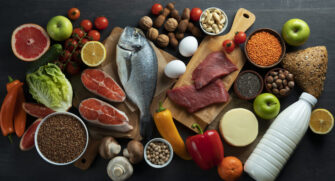
Nutrition plays a fundamental role in our overall health, and fertility is no exception. For many people trying to have a baby, a key question arises: can what I eat affect my reproductive capacity? The short answer is yes—but with important nuances. In this blog, we dive deep into which foods can benefit your fertility, which ones don’t have the impact many believe, and how, at Ingenes, we complement every plan with a holistic approach that also considers your nutritional health. Because having a baby isn’t just about trying—it’s about understanding your body, caring for it, and having the right support to make it happen. Nutrition and Fertility: How Are They Related? Although there’s no magical diet to get pregnant, several studies have shown that certain eating habits can influence ovulation, egg and sperm quality, hormonal health, and even the success of assisted reproduction techniques like In Vitro Fertilization (IVF). Nutrition affects both female and male fertility. A surplus or lack of certain nutrients can impact everything from hormone production to embryo implantation. What Fertility Areas Are Affected by What We Eat? What Helps: Nutrients and Foods That Boost Fertility Below are the most researched nutrients, supported by scientific evidence in relation to fertility: Recommended Foods for People Trying to Have a Baby Based on these key nutrients, here are some general recommendations that can help improve your reproductive health: What Doesn’t Help: Common Myths About Diet and Fertility Just as there are helpful foods, there are also widely spread beliefs that lack scientific backing or can even be counterproductive. Here we clarify some of the most common ones: “Pineapple helps embryo implantation” This myth stems from bromelain, an enzyme in pineapple with anti-inflammatory properties. But there are no clinical studies showing that eating pineapple improves pregnancy rates. “Completely avoiding dairy improves fertility” Unless you have an allergy or intolerance, removing dairy may lead to calcium and vitamin D deficiencies—both important for hormonal health. “Gluten prevents pregnancy” Only people with celiac disease or non-celiac gluten sensitivity need to avoid it. For the rest, there’s no evidence that gluten affects fertility. “Extreme diets before treatment improve outcomes” Rapid weight loss or cutting entire food groups without medical supervision can disrupt your hormonal levels and negatively impact fertility. Nutrition and Assisted Reproduction: Does Diet Change During Treatment? During assisted reproduction treatments like IVF, it’s important to follow a diet that helps reduce inflammation, stabilize glucose levels, and maintain a healthy weight. There’s no miracle diet, but your doctor or nutritionist may suggest specific adjustments. At Ingenes, we understand that everyone is different. That’s why, during the initial assessment, we help you identify whether your eating habits may be influencing your fertility—and we support you with a team that understands not just the science, but the human side of this process. Fertility and Body Weight: Another Key Factor Being significantly under or overweight can impact ovulation and sperm quality. That’s why maintaining a healthy Body Mass Index (BMI) is part of a comprehensive approach. The ideal is to make gradual, sustainable changes that don’t add more stress to those already navigating a difficult journey. How to Know if Your Diet Is Affecting Your Fertility Some signs that your diet might be negatively impacting your reproductive health include: If you notice any of these symptoms, it’s important to talk to your specialist. At Ingenes, we evaluate each case individually and guide you toward real solutions that can bring you closer to your baby. At Ingenes, We Know Every Story Is Unique After helping more than 75,000 families over 20 years, we know fertility never has a single cause. That’s why our approach is holistic and human. While we don’t treat nutritional issues directly, we do consider them as part of your diagnosis and medical plan to help you bring your baby home. Conclusion Nutrition can be a powerful ally in your path to having a baby—but it’s not a magic solution. At Ingenes, we understand that every story is different. That’s why we commit to supporting you from the very first step, combining science, experience, and human sensitivity. If you’ve been trying to get pregnant without success, we invite you to get to know us. The combination of your desire, our experience, and a holistic approach can make all the difference.